
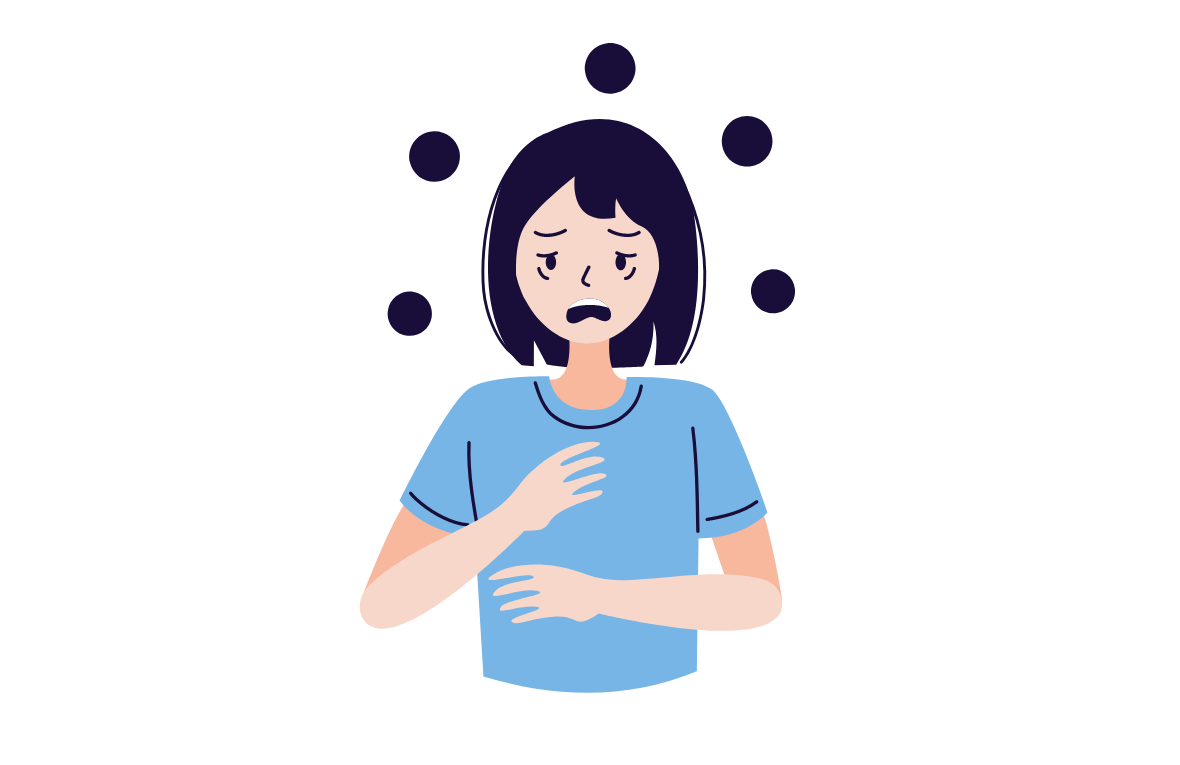
About Anxiety Disorders
Anxiety disorders are a group of mental health conditions characterized by excessive fear, worry, or nervousness that interferes with daily life. While anxiety is a normal response to stress, individuals with anxiety disorders experience these feelings persistently and disproportionately to the actual situation. Anxiety disorders can manifest in various forms, including Generalized Anxiety Disorder (GAD), Panic Disorder, Social Anxiety Disorder, and Specific Phobias. These conditions can significantly affect a person’s quality of life but are treatable with proper care.
Symptoms of Anxiety Disorders
Common symptoms across anxiety disorders include:
- Persistent worry or fear about everyday situations
- Restlessness or feeling on edge
- Fatigue or difficulty sleeping
- Difficulty concentrating or mind going blank
- Irritability
- Muscle tension or headaches
- Avoidance of certain situations or activities due to fear
Each type of anxiety disorder may have specific symptoms. For instance:
- Panic Disorder: Recurring panic attacks involving sudden, intense fear, racing heart, shortness of breath, and dizziness.
- Social Anxiety Disorder: Extreme fear of social or performance situations, leading to avoidance.
- Generalized Anxiety Disorder (GAD): Chronic worry about a range of everyday matters such as work, health, or social interactions.
- Specific Phobias: Intense fear of specific objects or situations (e.g., heights, flying).
Causes and Diagnosis
Causes of Anxiety Disorders:
- Genetic Factors: Anxiety disorders often run in families, suggesting a genetic predisposition.
- Brain Chemistry: Imbalances in neurotransmitters like serotonin, norepinephrine, and gamma-aminobutyric acid (GABA) can contribute to anxiety.
- Environmental Factors: Stressful life events, trauma, or a history of abuse can trigger anxiety disorders.
- Personality Factors: Individuals with certain personality traits, such as perfectionism or a tendency to avoid conflict, may be more prone to anxiety.
Diagnosis:
A mental health professional, such as a psychiatrist, will diagnose anxiety disorders by reviewing symptoms, medical history, and behavior patterns. Questionnaires and clinical interviews may be used to assess the severity of the anxiety and to distinguish between different types of anxiety disorders.
Treatment for Anxiety Disorders
Anxiety disorders are highly treatable, and the following options are commonly used:
- Cognitive Behavioral Therapy (CBT): CBT is a form of psychotherapy that helps individuals identify and challenge distorted thinking patterns and behaviors associated with anxiety.
- Exposure Therapy: Often used for phobias or panic disorders, this therapy gradually exposes individuals to their fears in a controlled way to reduce avoidance.
- Medications: Antidepressants (SSRIs, SNRIs), anti-anxiety medications (benzodiazepines), or beta-blockers may be prescribed to help manage symptoms.
- Mindfulness and Relaxation Techniques: Practices like meditation, deep breathing exercises, and yoga can help reduce anxiety symptoms.
- Lifestyle Modifications: Regular physical activity, a healthy diet, sufficient sleep, and reducing caffeine or alcohol intake can positively affect anxiety.
Frequently Asked Questions
What is an anxiety disorder?
Anxiety disorders are mental health conditions characterized by excessive and persistent worry, fear, or nervousness that disrupt daily life.
Can anxiety disorders be cured?
While anxiety disorders may not be permanently cured, they are highly manageable with therapy, medications, and lifestyle changes, allowing individuals to lead a fulfilling life.
Are medications necessary to treat anxiety?
Not always. Some individuals may benefit from therapy alone, while others may need medication to manage more severe symptoms. A psychiatrist can recommend the best approach.
Can anxiety disorders go away on their own?
Anxiety disorders rarely go away without treatment. Early intervention, including therapy and lifestyle changes, is important for managing symptoms.
How is anxiety different from normal worry?
Normal worry is temporary and proportionate to the situation. In anxiety disorders, the worry is excessive, persistent, and often disproportionate, leading to significant distress and impairment.