
Many women experience physical and emotional changes before their periods. These symptoms are often dismissed as normal PMS, leading many to suffer silently.
PMS may affect comfort. PMDD can affect functioning. Recognizing the distinction helps women move from self-blame to self-awareness & from suffering in silence to seeking effective treatment.
Premenstrual Syndrome (PMS) refers to a group of physical and emotional symptoms that occur in the days leading up to menstruation and improve once the period begins.
Common PMS symptoms: Bloating, Breast tenderness, Headaches, Fatigue, Food cravings, Mild irritability, Mood fluctuations
Most women experience some degree of PMS, but symptoms are usually manageable and do not severely interfere with daily life.
PMDD
Premenstrual Dysphoric Disorder (PMDD) is a severe, cyclical mood disorder linked to the menstrual cycle. It affects approximately 3–8% of menstruating women and is recognized as a psychiatric condition in the DSM-5.
It appears to have an increased sensitivity to the normal hormonal fluctuations that occur during the menstrual cycle.
Women are not reacting excessively to their periods. They are experiencing a real, biologically driven condition that deserves recognition, empathy, and evidence-based treatment.
Common PMDD symptoms:
- Severe mood swings, Intense irritability or anger , Persistent sadness or hopelessness
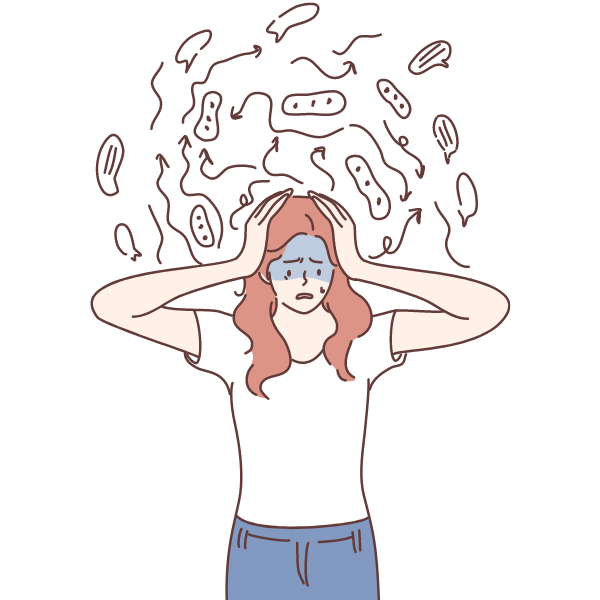
- Anxiety and tension, Feeling overwhelmed or out of control, Difficulty concentrating
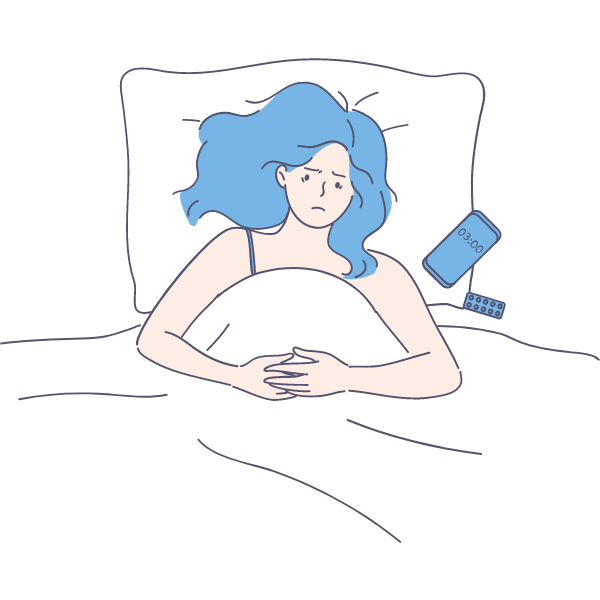
- Sleep disturbances, Reduced interest in usual activities
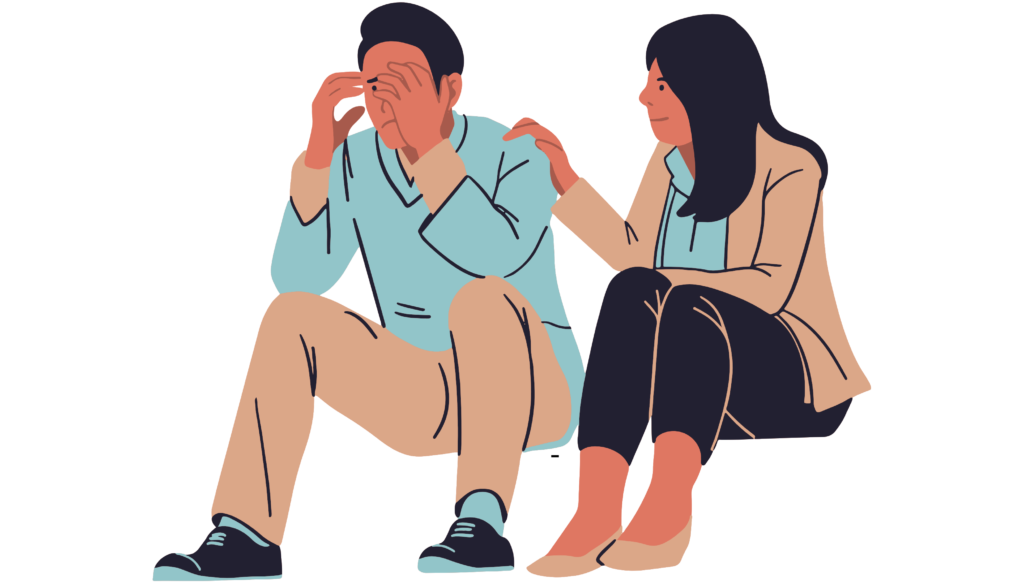
- Relationship conflicts
- In severe cases, thoughts of self-harm or suicide
Symptoms typically emerge 1–2 weeks before menstruation and improve within a few days after the period starts.
The hallmark feature of PMDD is its predictable cyclical pattern; symptoms appear before menstruation and improve afterward.
Tracking symptoms across at least two menstrual cycles can help identify this pattern.
Why PMDD Often Goes Unrecognized
Many women spend years believing:
- I am just overreacting.
- This is part of being a woman.
- I should be able to handle it.
When Should You Seek Help?
Consider consulting a mental health professional or gynecologist if:
✅ Symptoms consistently occur before periods
✅ Mood changes affect work, studies, or relationships
✅ You experience severe irritability, depression, or anxiety
✅ You feel emotionally different for part of every month
✅ Symptoms lead to thoughts of self-harm or hopelessness
Treatment plans should be tailored to an individual’s symptoms and needs.
- Lifestyle interventions
- Psychological therapies
- Pharmacological treatment